
Ten climate litigation moments to look out for in 2026

1. Netherlands: Will court rule in favour of Bonaire islanders?
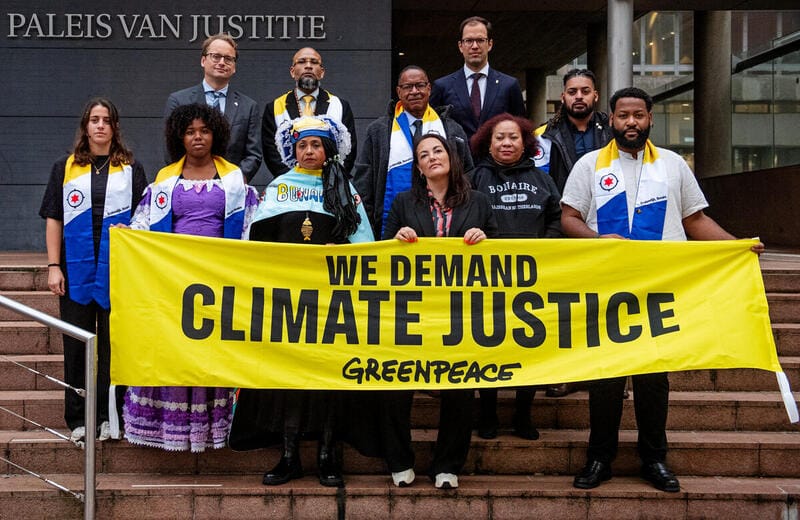
A group of Bonaire islanders, together with Greenpeace Nederland, filed a lawsuit against the Netherlands in early 2024, asking a court to order the government to cut its greenhouse emissions much more quickly and to develop a concrete adaptation plan.
They argued that the Dutch state is violating the rights of people on the island, which is particularly vulnerable to sea-level rise, extreme heat and other climate-related impacts.
The District Court of The Hague rejected the complaints by individuals, but it did admit Greenpeace’s claim as an organisation. It heard those claims in October 2025.
As well as other previous court rulings, Greenpeace’s legal team is relying on recent advisory opinions on climate change by the International Court of Justice (ICJ) and the Inter-American Court of Human Rights, both of which said states have clear legal duties to address climate change and to help communities adapt.
A judgment is due on 28 January.
- Ireland: Was Coolglass ruling a lot of hot air?
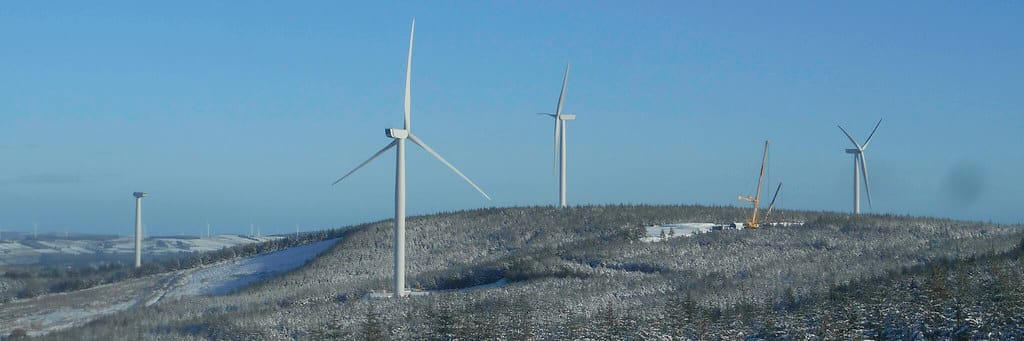
Last January, Ireland's High Court ruled that the national planning authority An Bord Pleanála had failed in its duty to comply with climate law in blocking a wind farm.
The lawsuit was brought by Statkraft, whose application for the 13-turbine Coolglass project in County Laois was refused because the county development plan bans any wind farm development. It argued the planning body had discretion to override local development plans in the larger pursuit of climate action.
The High Court agreed, saying the "climate emergency represents a critical risk" and planners did not attach enough importance to the need for renewable energy as a climate action measure.
The decision could prove a boost for renewable energy projects of all kinds in Ireland and support ongoing challenges to the country’s proliferation of data centres, but it also proved very controversial.
The case was appealed to Ireland's Supreme Court, which heard it last summer and apparently was given hot-off-the-press copies of the International Court of Justice's advisory opinion on climate change by Statkraft's lawyers.
A judgment is imminent.
- International: UN to vote on new ICJ advisory opinion resolution?
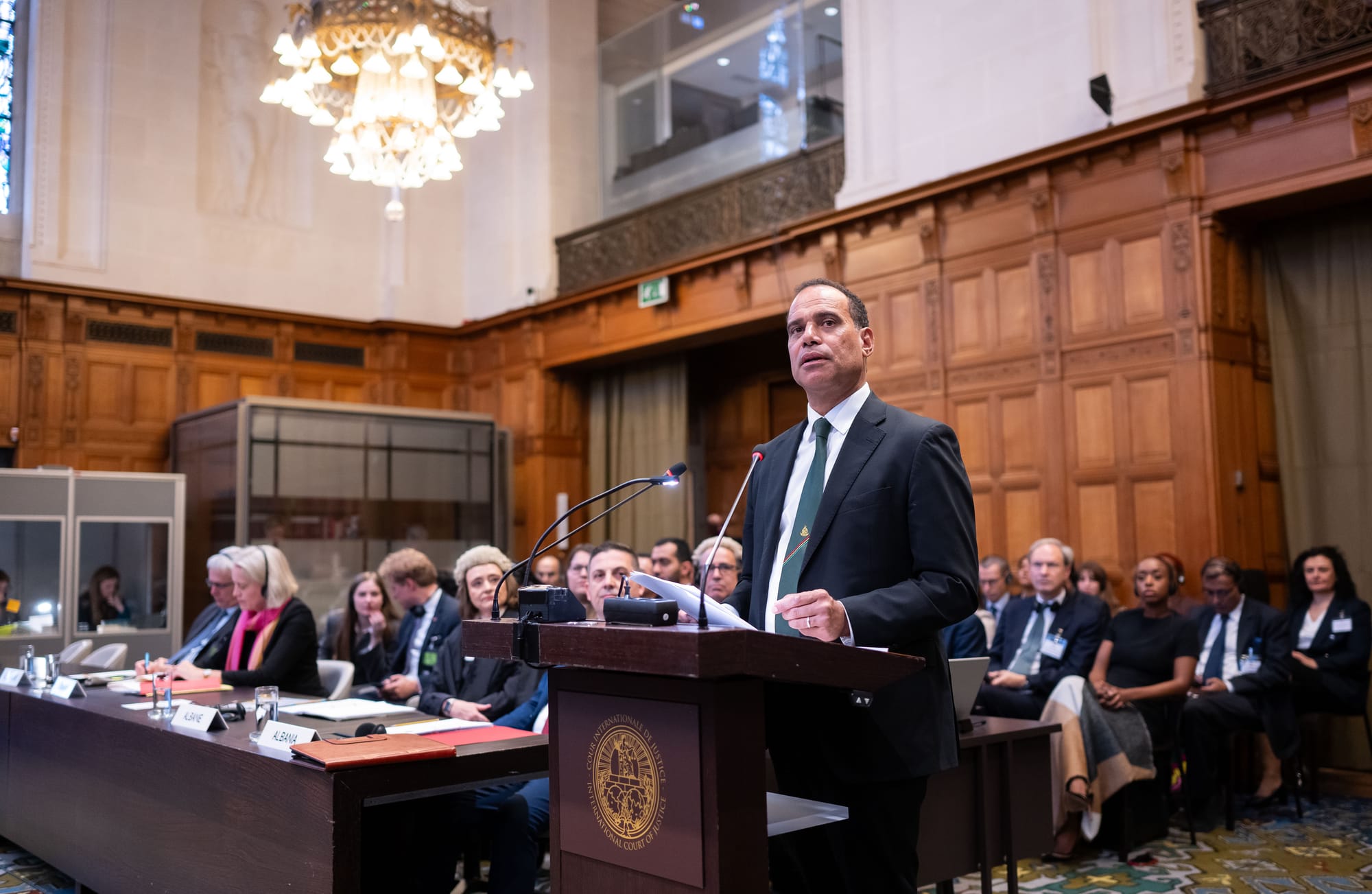
The UN is likely to be presented with a resolution on the International Court of Justice’s advisory opinion on climate change this year.
The resolution is expected to reaffirm some of the advisory opinion’s key findings and may include some key actions to help operationalise it.
With the advisory opinion struggling to cut through at COP30 in Belém, a resolution may be what it needs to make a bigger impact at the fossil fuels conference in Colombia in April and at subsequent UNFCCC negotiations.
Ralph Regenvanu, minister of climate change of Vanuatu and a key architect of the advisory opinion campaign, had hoped to present it to the UN General Assembly by the end of last year, but that did not happen. He is trying to maximise state support for the most ambitious statement possible.
Regenvanu told The Wave that progress on the resolution was "steady and constructive", with the expectation the core group of states will be in a position to table a draft for consideration by the General Assembly "early" this year.
- International: Fossil fuel phaseout conference in Colombia
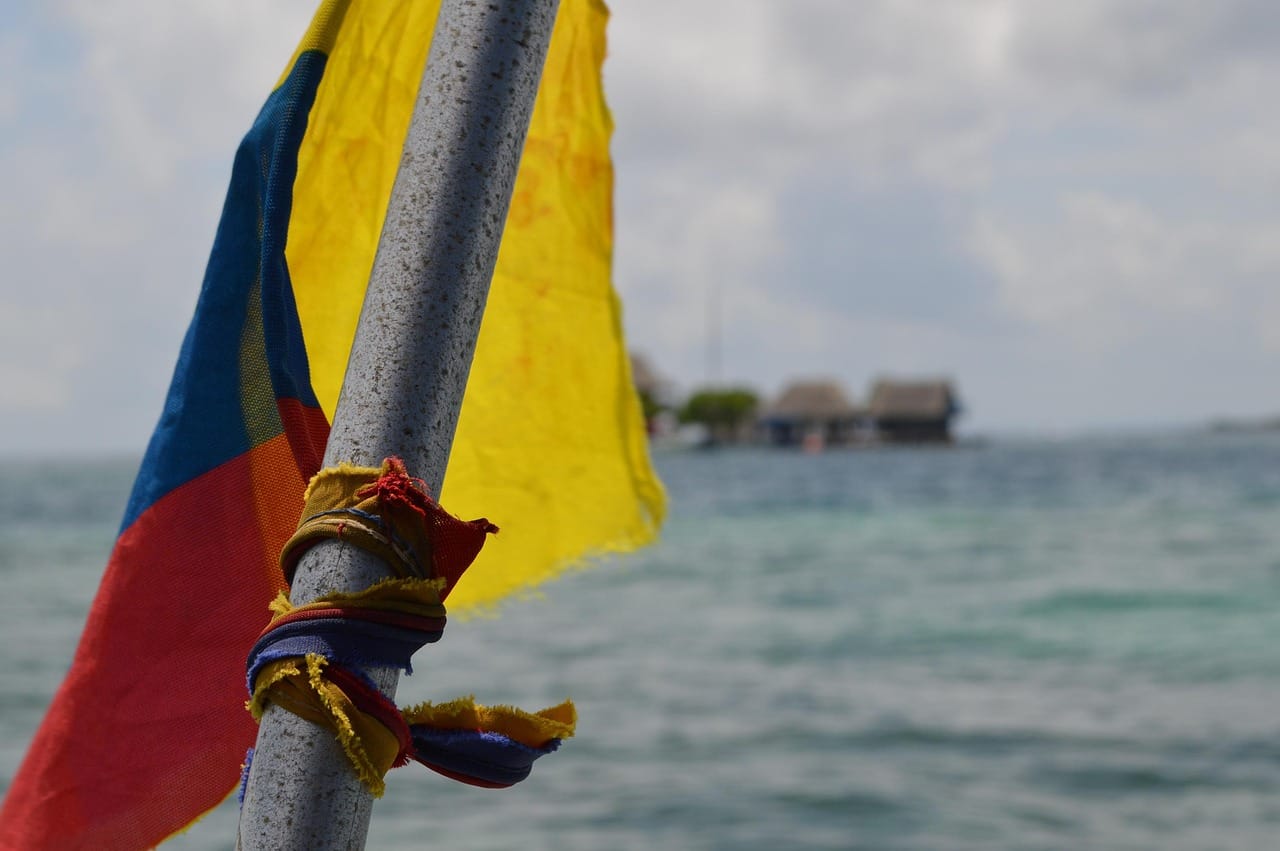
A collection of ambitious states will be meeting on 28-29 April in the port city of Santa Marta, Colombia, for a new fossil fuel phaseout conference co-hosted by The Netherlands.
Organisers say the event, which is linked to the Fossil Fuel Non-Proliferation Treaty Initiative, will align with the ICJ advisory opinion, “which confirmed that states have a legal obligation to protect the climate, including by addressing fossil fuel production, licensing and subsidies”. Watch this space.
- Europe: Will ECHR make a move on Müllner?

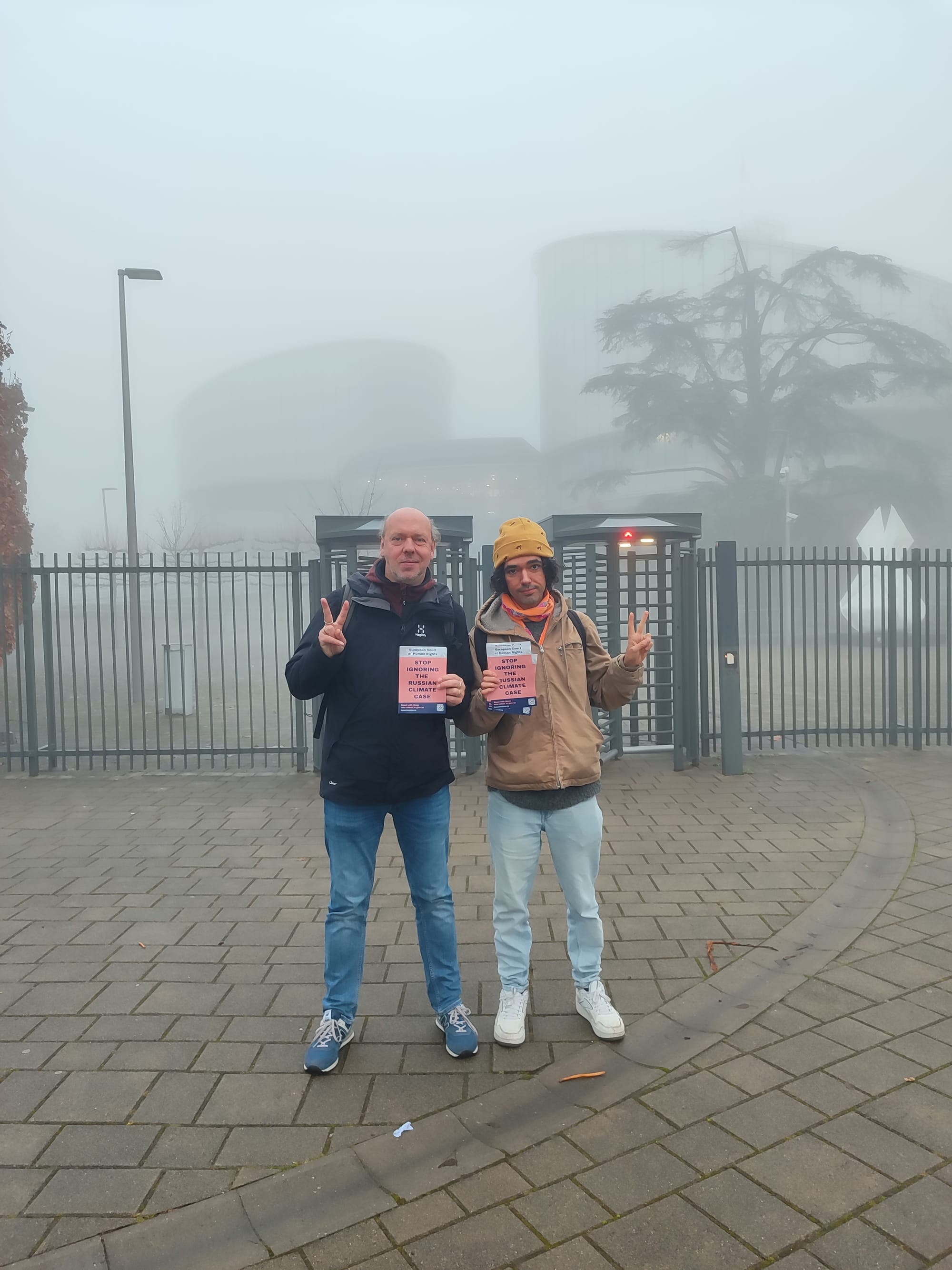
On Human Rights Day (10 December), Russian climate activists projected the message 'Thank you for your inaction' with Putin's face onto the façade of the European Court of Human Rights in Strasbourg to highlight the court’s inaction on their complaint. The second picture shows claimants Vladimir Slivyak and Arshak Makichyan (Photos: Russian Climate Case collective)
The European Court of Human Rights is still considering a climate lawsuit brought by an Austrian man in his 40s surnamed Müllner with a temperature-dependent form of multiple sclerosis called Uhthoff's Syndrome. This means that his symptoms get worse with heat. Above 25°C, he is reliant on a wheelchair, and above about 30°C, he can no longer push it by himself.
Müllner argues, like the KlimaSeniorinnen, which won a landmark claim before the court against Switzerland in 2024, that his condition makes him particularly vulnerable to heatwaves.
The European Court of Human Rights has dismissed several climate lawsuits since Klimaseniorinnen so Müllner is an important test case to determine where it sets the bar for admissibility in climate complaints by individuals.
The expectation is that the court will rule on this claim in 2026, although it could also ask for further information.
Also: will the Council of Europe toughen up its scrutiny of the KlimaSeniorinnen ruling? And will the court ever formally take up the Russian climate case (see photos above)?
- US: Will Supreme Court take up Boulder dispute?
Litigators are waiting to see if the Supreme Court will take up a key climate accountability lawsuit case it has already rejected several times.
ExxonMobil and Suncor Energy are asking the court to review a May 2024 Colorado Supreme Court decision that allowed the city and county of Boulder, Colorado, to pursue a lawsuit against the two companies for climate damages.
The companies argue that, under federal law, local governments cannot seek relief for climate change in state courts. Boulder contends that the Supreme Court does not have jurisdiction to review preemption questions.
Previous attempts to get the Supreme Court to intervene in these kinds of claims have been unsuccessful. Last January, the court refused to hear a challenge to a major lawsuit in Hawaii and two months later it rejected a bid to block Democratic-led states from pursuing climate accountability lawsuits.
But the Supreme Court is a different beast under Donald Trump's second presidency, and the fossil fuel industry has stepped up its game, calling climate litigants “absolutely relentless”.
Last year, the Supreme Court declined to hear a greenwashing claim against online retail giant Amazon brought by Planet Green Cartridges, a US re-manufacturer of printer cartridges. The smaller company had argued that Amazon knowingly facilitated and profited from the sale of newly built cartridges falsely advertised as “remanufactured”. But it will hear an appeal by fossil fuel firms of a federal appeals court decision that kept lawsuits against them in state courts - a case in which one of its judges allegedly has a financial stake.
The campaign to encourage the court to take up the Boulder case has been ramping up, with critical op-eds popping up in various not so unexpected places. One makes the incredibly far-fetched argument that US climate litigation hands a strategic victory to China - ignoring how the Chinese state is itself using litigation as a strategic tool.
Trials in the most advanced climate accountability cases - Hawaii, Massachusetts and Rhode Island - are unlikely to begin this year either way, but they will be affected if the Supreme Court does take up Boulder.
7. Brazil: What will Candiota lawsuit reveal about litigation direction?
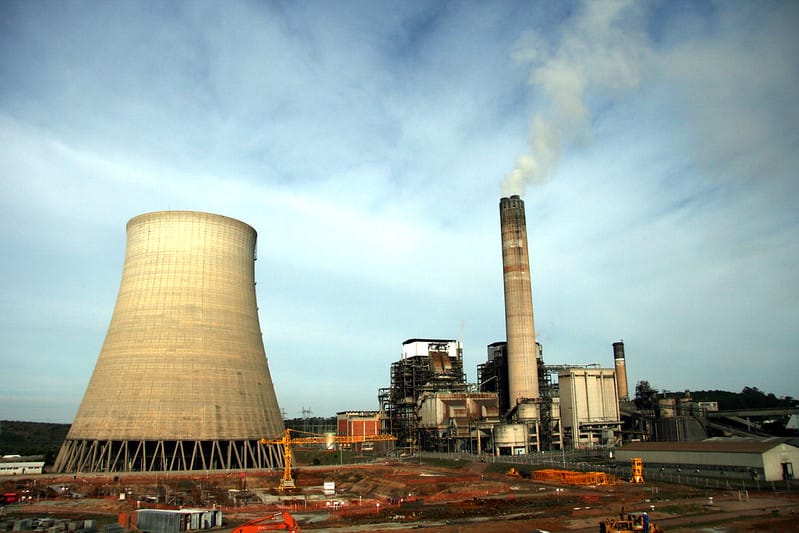
Last summer, Candiota III Thermoelectric Plant and Candiota Coal Mine were ordered to stop operating following a lawsuit brought by non-profits Friends of the Earth Brazil, Instituto Preservar and Associação Gaúcha de Proteção ao Ambiente Natural.
In a remarkably strong judgment, the Ninth Federal Court of Porto Alegre referenced the ICJ advisory opinion on climate change and its "explicit" statement that state climate mitigation measures must cover fossil fuel emissions. But this was quickly overturned by an appeal court which said judges may have overstepped their authority into policy-making.
The decision has yet to be reviewed on its merits, but is an important test case of how the ICJ opinion is interpreted in court and how Brazil approaches environmental matters.
Brazil is one of the most active jurisdictions for climate litigation in the world - and by far the most active in the Global South - but progress on actually protecting the environment is mixed. On the one hand, courts have begun accounting for climate damage and on the other lawmakers have sought to massively roll back environmental laws and allowed drilling in the Amazon - the latter is already subject to litigation and the former is likely to be.
8. Italy: Appeal court to rule on climate framework case
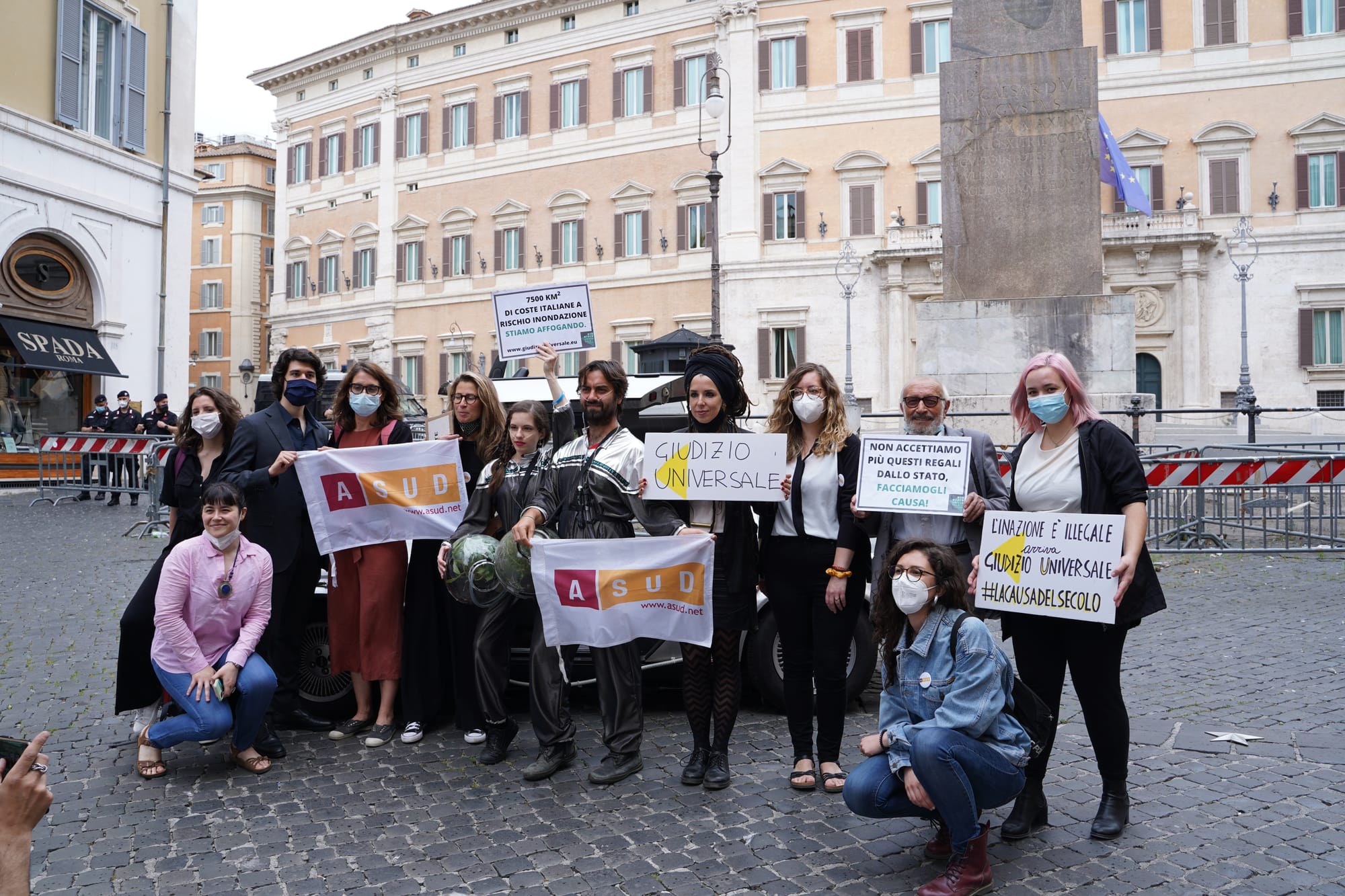
Campaign group A Sud, together with 203 plaintiffs, launched a claim in 2021 seeking a court declaration that Italy is responsible for failing to tackle the climate emergency, and that its efforts to date are insufficient to meet the Paris Agreement's long-term temperature goal.
A hearing involving many groups and individuals, including children, took place in 2023.
Last year, a lower court said it did not have jurisdiction over this issue. A Sud appealed to Rome's Court of Appeal, which is expected to make its ruling on 21 October 2026.
- Canada: Hearing in La Rose federal youth climate lawsuit
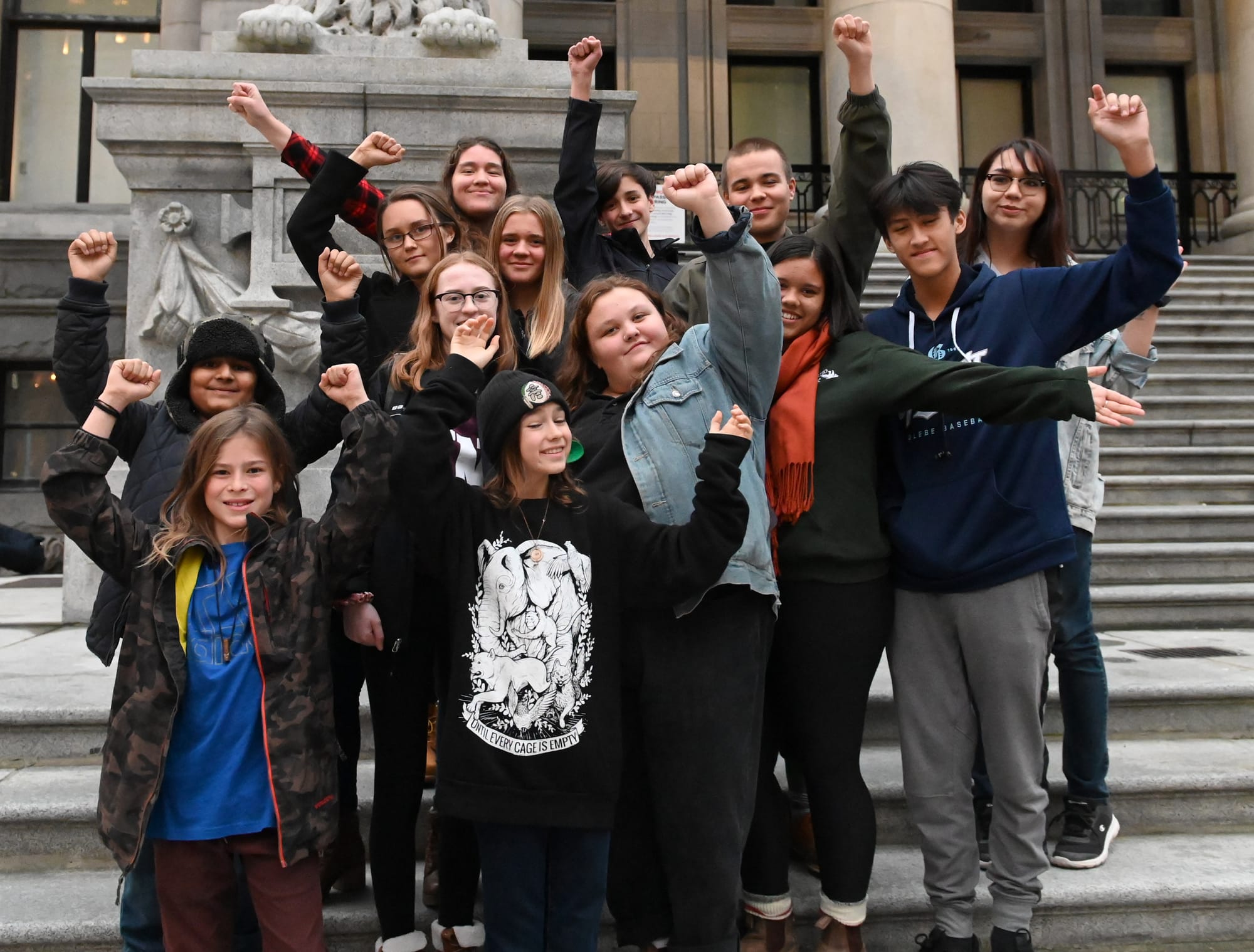
Young activists will finally have their day in court in October in a lawsuit challenging Canada's climate action.
An eight-week trial in the youth-led La Rose v His Majesty the King starts on 26 October 2026 in Vancouver, British Columbia.
Fifteen Canadian young people from seven provinces and one territory claim Canada's ongoing contribution to climate change violates their rights to life, liberty and security of the person under the Canadian Charter of Rights and Freedoms. And they say the government’s actions disproportionately affect them, as children and youth, and future generations.
A lower court had initially ruled that the case did not have a “prospect of success", but activists successfully appealed this.
- Will there be a hearing for the African Court advisory opinion?
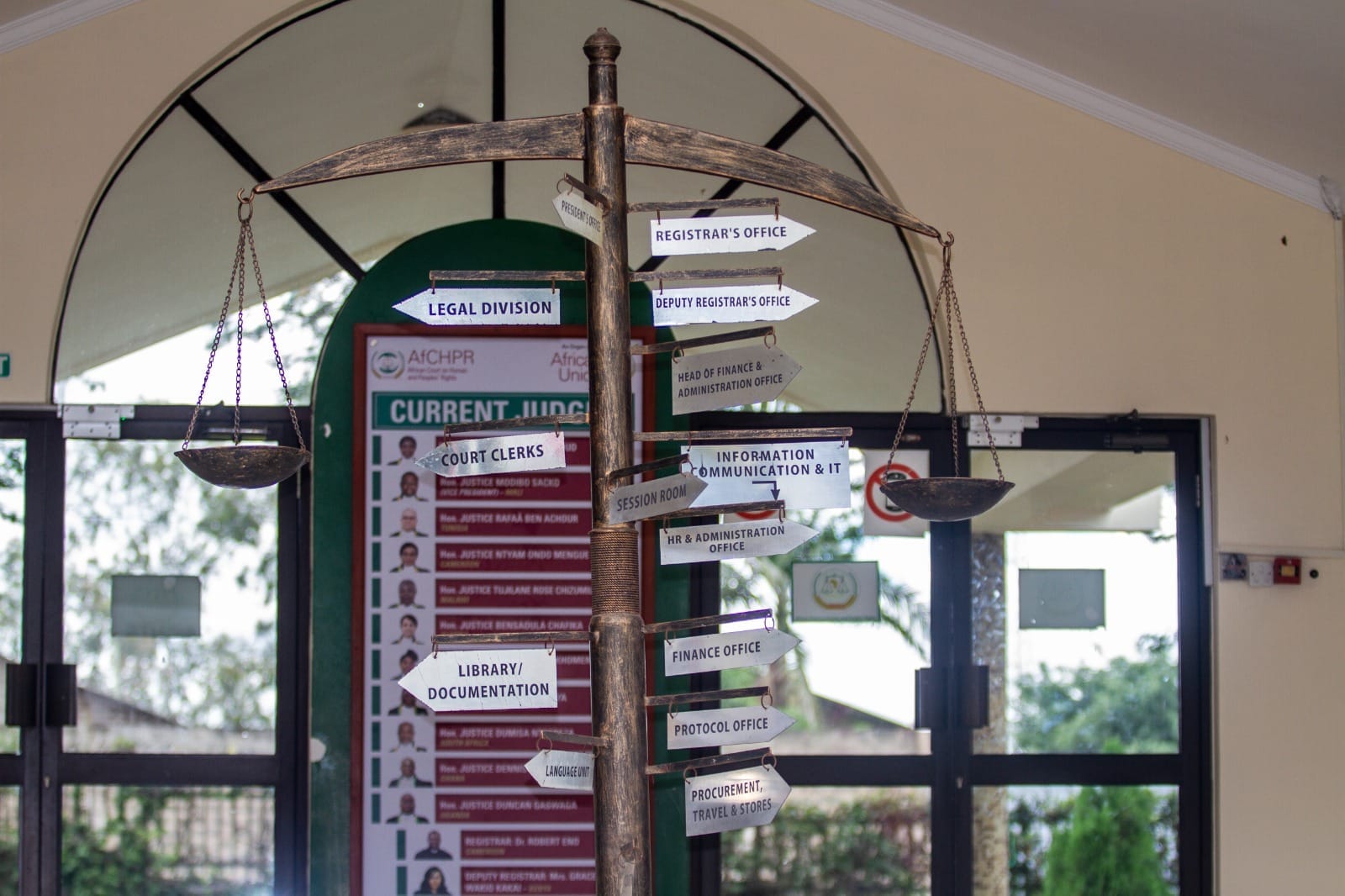
Last May, a petition was sent to the African Court on Human and People’s Rights asking for its expert view on climate change.
It has accepted the petition, making it the fourth major international court to weigh in on the unfolding crisis through a formal advisory opinion, following the International Tribunal on the Law of the Sea, the Inter-American Court of Human Rights and the International Court of Justice.
The Pan African Lawyers Union is the lead petitioner, although many other organisations were also involved including youth network Resilient 40, South Africa-based Natural Justice and the Environmental Lawyers Collective for Africa. The process was more collaborative than the others and could result in a more progressive outcome in some respects, although it was long so it risks being overshadowed by the previous advisory opinions.
The Tanzania-based court has invited submissions from a second round of amicus curiae until 30 March 2026, after which it could hold a public hearing (as all the other major courts did).